


Petrographic Examination of Aggregates: Analyzing Rock Composition for Durability
Introduction
In the field of civil engineering and construction, ensuring the long-term durability of materials used is critical to the success of any project. One such crucial material is aggregate, which forms the backbone of concrete and other construction applications. The Petrographic Examination of Aggregates is a key method for determining the mineral composition and properties of rock materials, helping ensure their suitability for construction. At Annoor Test Labs and Engineering Services Pvt. Ltd, we specialize in conducting petrographic analysis to assist engineers, students, and construction professionals in choosing the right aggregates for enhanced project durability.
Purpose of the Test
The primary goal of the Petrographic Examination of Aggregates is to understand the mineral composition and texture of aggregates, as well as detect potentially harmful minerals or weaknesses that could compromise the structural integrity of the concrete. This information is invaluable when selecting aggregates for projects that require long-term stability, such as bridges, roads, and high-rise buildings.
Importance in Engineering/Construction
Petrographic examination is vital in construction and engineering because it provides insights into the durability and performance of aggregates in aggressive environments. By analyzing the mineral composition, construction professionals can predict how the materials will react under various conditions, such as moisture, freeze-thaw cycles, and chemical attacks.
What is "Petrographic Examination of Aggregates: Analyzing Rock Composition for Durability"?
Definition and Overview:
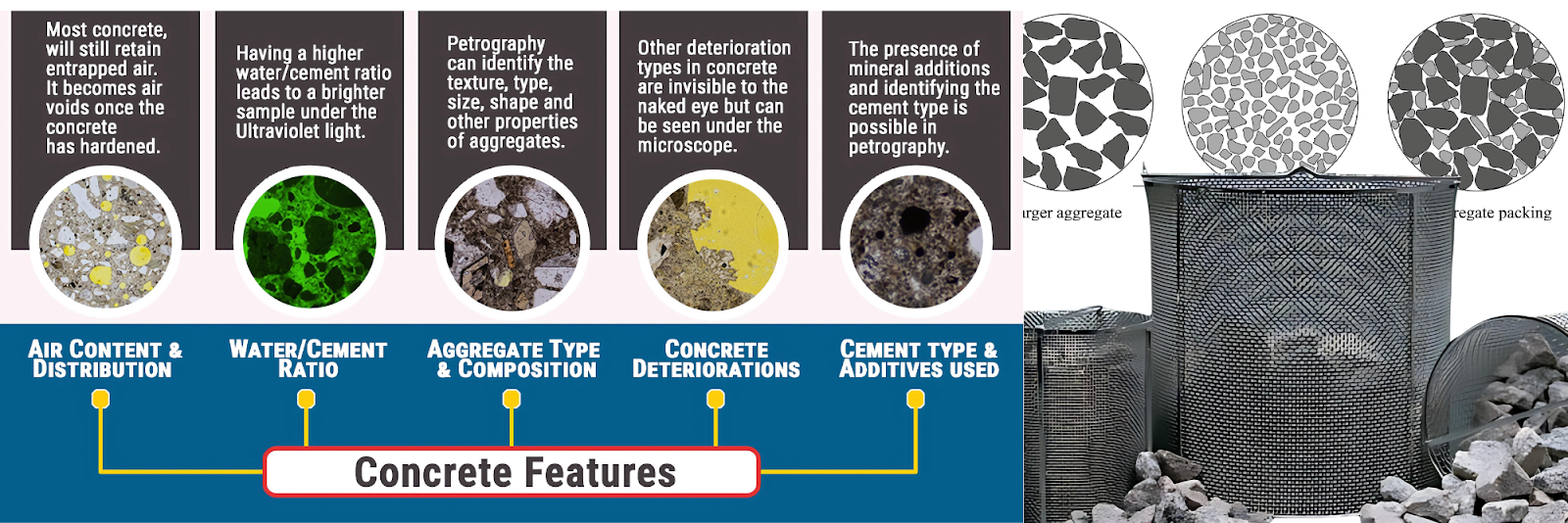
Petrographic examination involves a microscopic analysis of aggregate samples to determine their mineral content, texture, and overall quality. This examination is used to assess potential weaknesses in the material that could lead to premature failure in structures.
Types and Variations (if applicable):
Different types of petrographic analyses include thin-section microscopy, X-ray diffraction, and scanning electron microscopy (SEM). These methods can be used to identify specific minerals and analyze rock fabric.
Why is "Petrographic Examination of Aggregates: Analyzing Rock Composition for Durability" Important?
Aggregates with unfavorable characteristics can lead to issues such as alkali-aggregate reactions, excessive weathering, or poor performance in freeze-thaw environments. Identifying these weaknesses early helps avoid costly repairs and failures down the line.
Key Benefits and Applications:
- Ensures aggregate quality and suitability
- Helps in selecting materials with better durability
- Identifies harmful minerals that could degrade the material
- Reduces the risk of structural failure
Comparison with Other Testing Methods:
While other tests, such as compressive strength tests, focus on mechanical properties, petrographic examination focuses on the inherent composition and structure of the material, providing more insight into long-term durability.
Case Study 1: Coastal Bridge Construction
During a coastal bridge project, petrographic examination revealed high levels of chlorite, a mineral prone to weathering. Based on this finding, the project team opted for a different aggregate, ensuring the bridge's longevity in a marine environment.
Case Study 2: High-Rise Building in a Freeze-Thaw Zone
A high-rise building project in a freeze-thaw region benefited from petrographic examination, which detected reactive minerals in the initial aggregate samples. The project team switched to a more durable aggregate, preventing future concrete deterioration.
Equipment and Setup
|
Preparation and Site Setup:
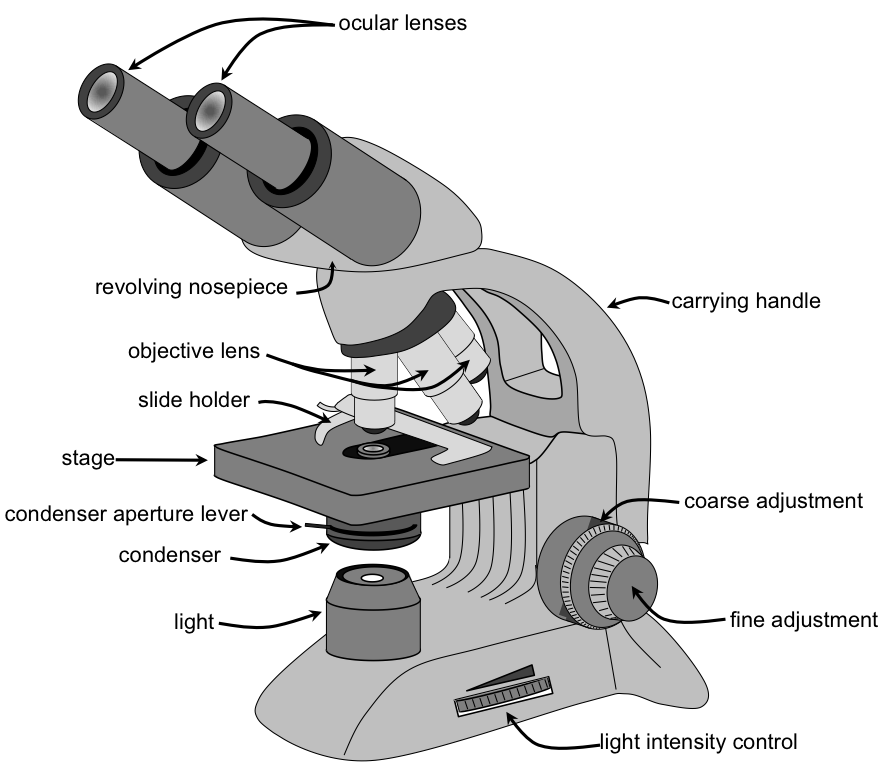
Before conducting the test, aggregate samples are collected from different sources. These samples are then prepared into thin sections for microscopic examination.
Step-by-Step Procedure for "Petrographic Examination of Aggregates: Analyzing Rock Composition for Durability"
- Preparation and Initial Setup:
- Collect aggregate samples from the site.
- Prepare thin sections for microscopic analysis.
- Test Execution Process:
- Place the thin section under the microscope.
- Analyze the mineral composition, texture, and any micro-cracks or weak zones.
- Data Collection and Recording:
- Record findings such as mineral content, aggregate shape, and presence of harmful substances.
Analysis and Interpretation of Results
- How to Analyze Data:
- Compare the mineral composition to established standards for durability.
- Identify the presence of deleterious minerals that could cause issues in the future.
- Understanding Test Results:
- If the aggregates contain a high percentage of weak or reactive minerals, they may not be suitable for construction.
Applications of "Petrographic Examination of Aggregates: Analyzing Rock Composition for Durability"
- Use Cases in Different Industries:
- Infrastructure projects: Ensuring aggregates used in roads and bridges can withstand environmental factors.
- Residential projects: Selecting aggregates that will provide long-lasting stability for homes.
- Specific Scenarios Where This Test is Beneficial:
- Construction in coastal or freeze-thaw environments where durability is critical.
- Projects requiring high-strength concrete mixes.
Challenges and Limitations
- Potential Issues During Testing:
- The test requires specialized equipment and skilled operators.
- Thin section preparation can be time-consuming.
- Factors Affecting Accuracy:
- Inadequate sample collection or preparation may affect the reliability of results.
- Limitations of the Method:
- While the test provides excellent insights into mineral composition, it may not account for mechanical properties like strength.
Best Practices for "Petrographic Examination of Aggregates: Analyzing Rock Composition for Durability"
- Tips for Effective Testing:
- Ensure proper sample preparation to avoid misinterpretation.
- Use complementary tests for a full assessment of aggregate quality.
- Safety Precautions:
- Follow lab safety protocols when using microscopes and sample preparation tools.
- Recommendations for Accurate Results:
- Use high-quality equipment and experienced personnel for accurate analysis.
Conclusion
The Petrographic Examination of Aggregates is a critical test for ensuring the long-term durability of construction materials. By identifying harmful minerals and weak zones early, engineers can make informed decisions about the aggregates they use, ensuring the safety and longevity of their projects. At Annoor Test Labs and Engineering Services Pvt. Ltd, we are committed to providing precise petrographic analysis to help you build with confidence.
IS Codes
- IS 2386-1 (1963): Methods of Test for Aggregates for Concrete – Petrographic Examination.
FAQs
- What is petrographic examination of aggregates?
- Why is this test important for construction projects?
- How does the test ensure durability in aggressive environments?
- What types of equipment are required for petrographic analysis?
- Can the test detect harmful minerals in aggregates?
- How are thin sections prepared for analysis?
- What are the common issues encountered during testing?
- How do results from this test impact material selection?
- What other tests can complement petrographic examination?
- How does Annoor Test Labs help with petrographic analysis?
This article provides an in-depth understanding of the Petrographic Examination of Aggregates and its role in ensuring durable and reliable construction materials.